Sleep apnea
The site that doesn't sell you one answer.
There are four ways to treat obstructive sleep apnea. Most places that explain them are selling one. We cover all four, publish what manufacturers actually state, and say plainly when we don't know something.
The four pathways
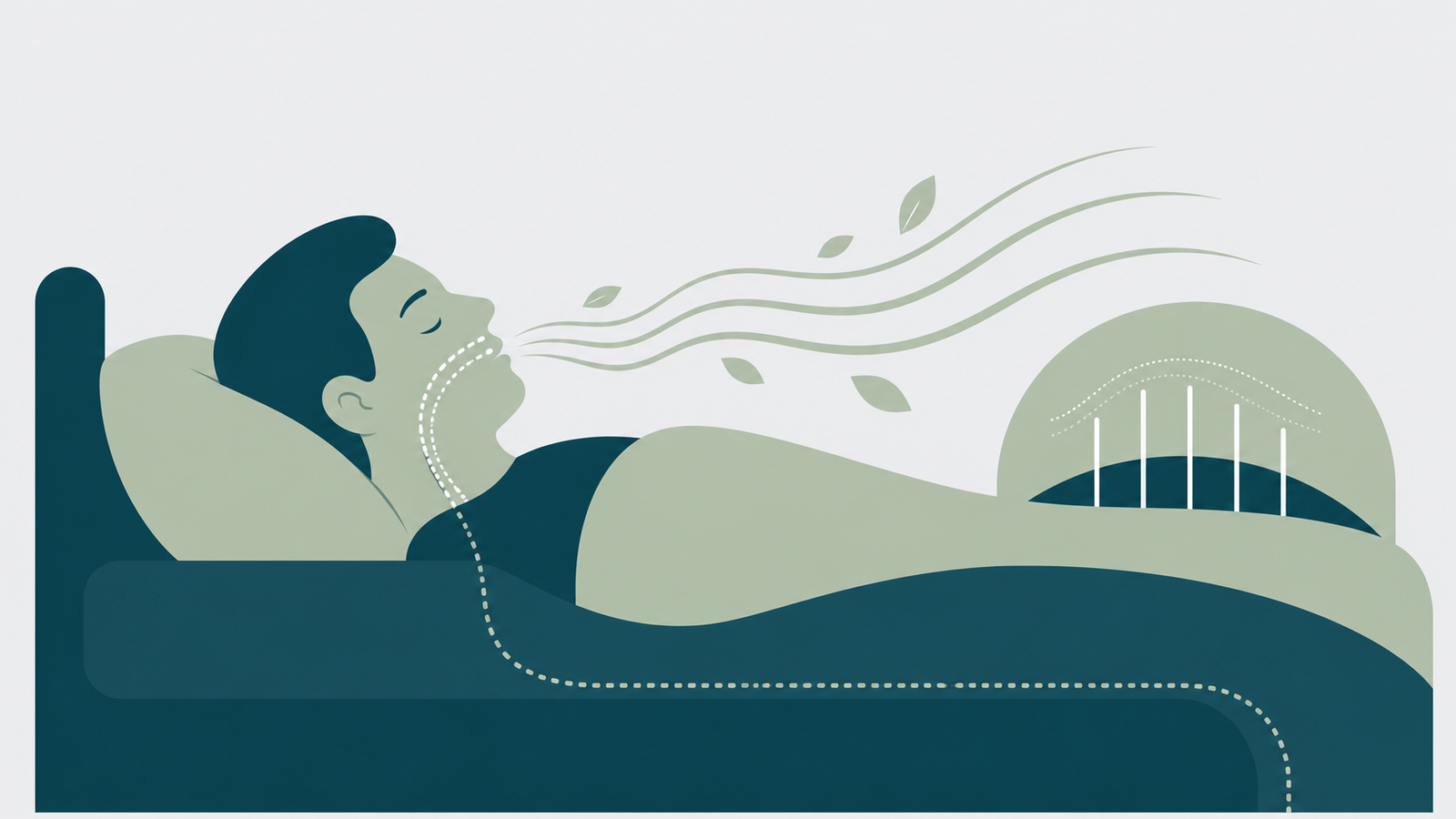
PAP therapy
CPAP, APAP and bilevel. The most established treatment, and the one most people abandon over a mask that never fit properly.
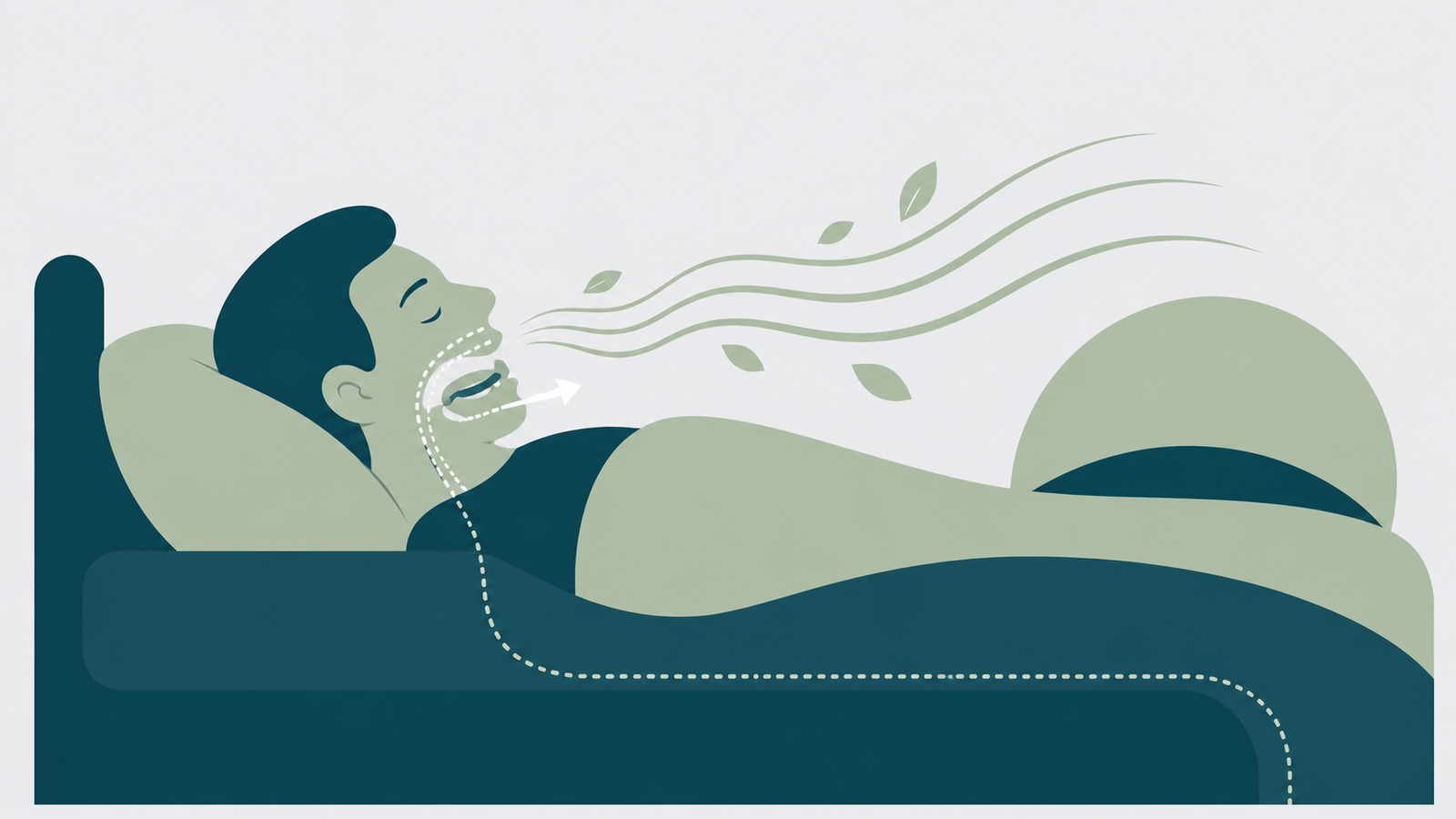
Oral appliance
A custom device that holds the jaw forward. Usually a medical benefit rather than a dental one, which changes the price enormously.
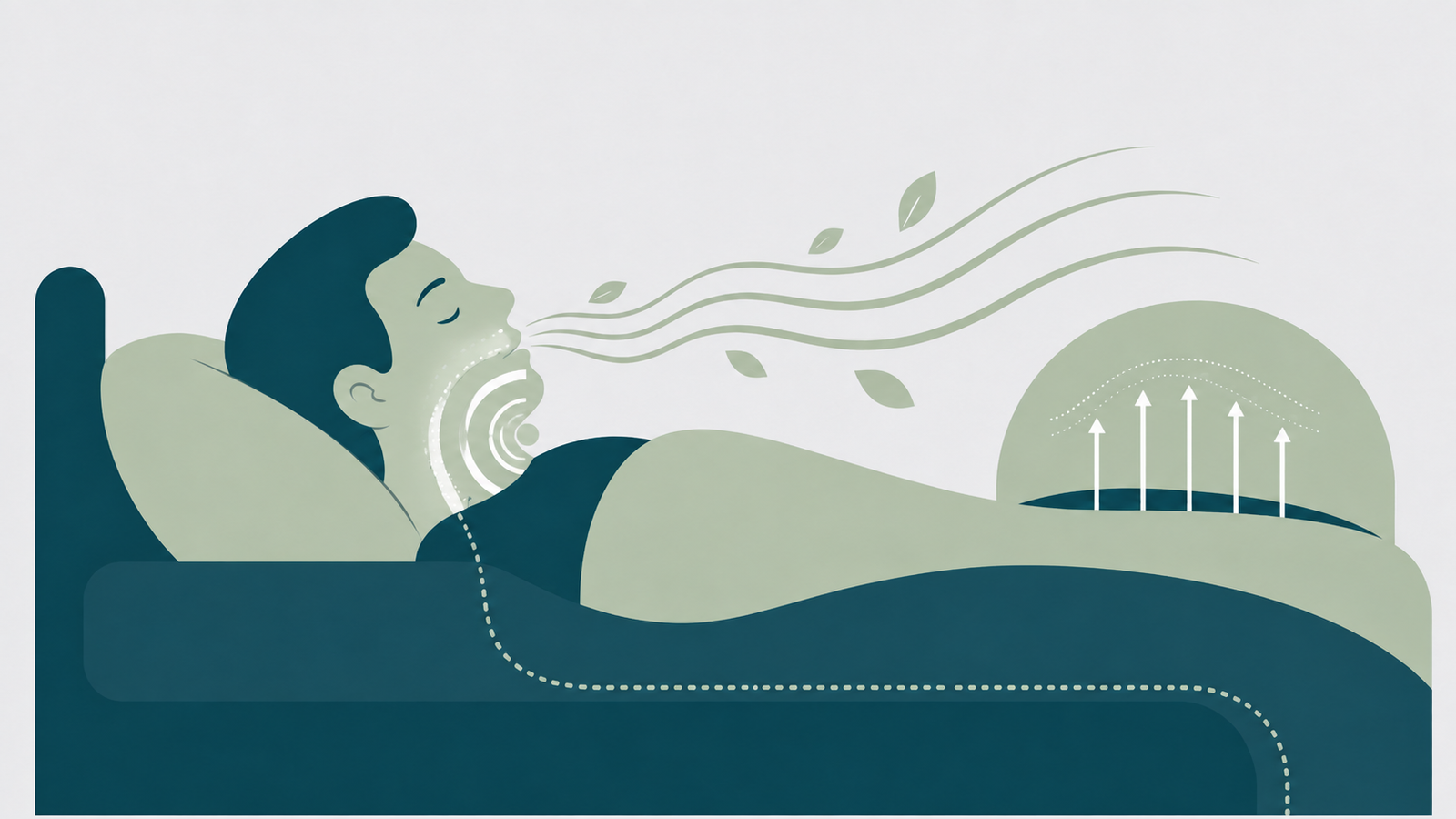
Surgery and implants
Including hypoglossal nerve stimulation. Suits a narrower group than the marketing suggests.
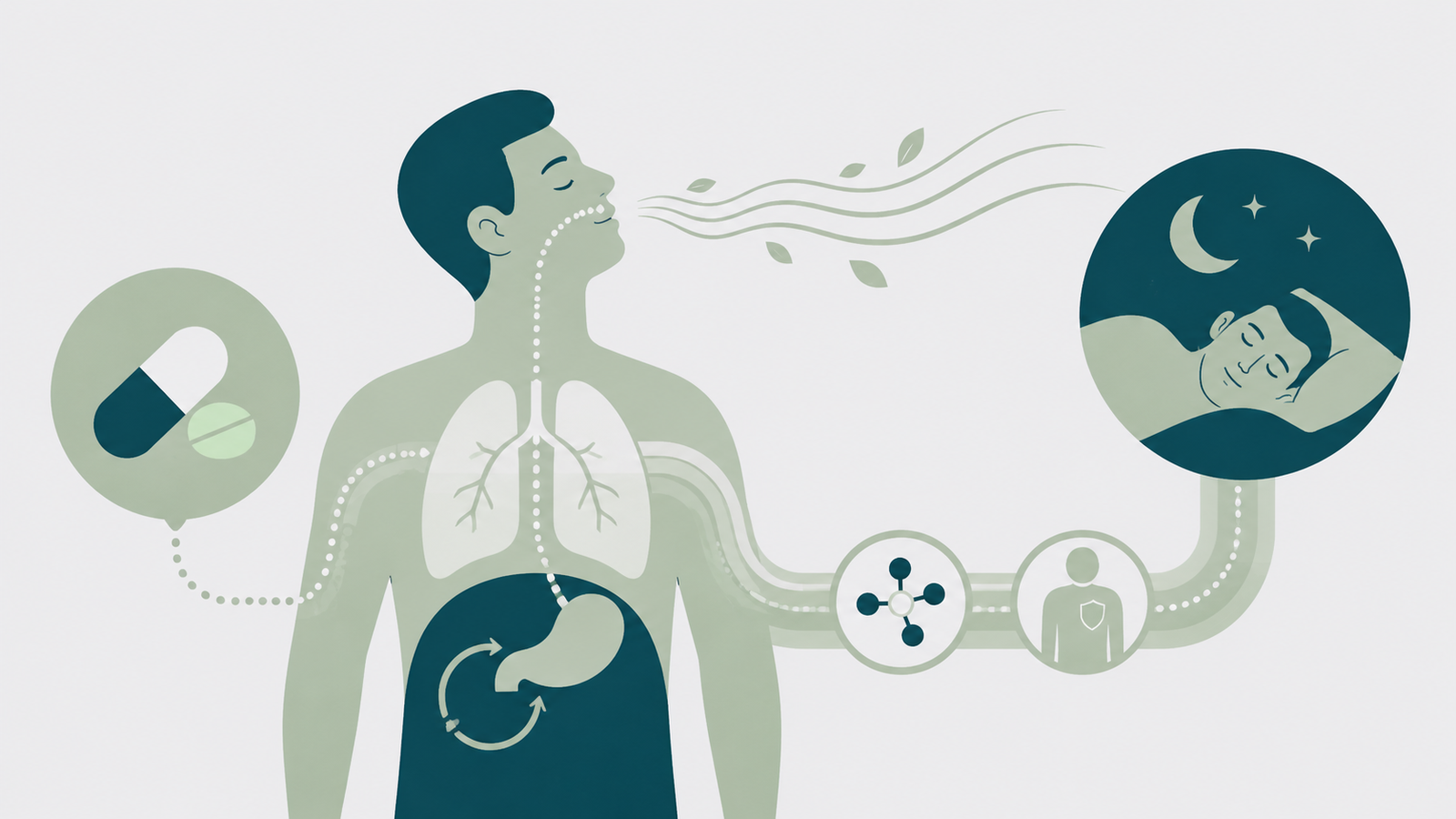
Medication
Newly possible. Approved for moderate-to-severe apnea in adults with obesity, and coverage is the hard part.
Combination therapy is common. These are not four competing products; they are four things that work for different people, and sometimes together.
Start here
Guides
- Getting an oral appliance covered by medical insurance, not dental An oral appliance for sleep apnea is a medical device, not a dental one. Practices that bill it correctly can save you thousands. Here's how to tell which kind you're talking to.
- Home sleep test vs in-lab study: what each one measures What a home test records, what it physically cannot detect, and what your insurer requires. The AHI-versus-RDI difference matters more than people realise.
- Medicare and CPAP: the compliance rule nobody explains Four hours a night, 70% of nights, 30 consecutive days — plus a visit between day 31 and day 91. What happens if you miss it, and what comes next.
- The four ways to treat obstructive sleep apnea What each treatment physically involves, what it costs, and how insurance handles it. No ranking — the four options suit different people.
- Why your CPAP mask leaks, and what to change Four causes, how to tell them apart, and the fix for each. The most common mistake makes leaks worse.
- Your sleep apnea claim was denied. Here's how to appeal it. The deadlines, the documents, and what the insurer actually wants to see. Most denials are never appealed, and a large share of appeals succeed.
- Zepbound for sleep apnea: what coverage actually looks like The only FDA-approved medication for obstructive sleep apnea. What the trials showed, who qualifies, and why coverage is the hard part.
How we work
Every specification on this site is taken from a manufacturer document, and every record carries the source. Where a manufacturer doesn't publish a figure, the field reads Not published rather than an estimate.
That produces a lot of blanks. We think a visible blank is more useful than a confident guess, particularly on a health topic where being wrong has a cost.